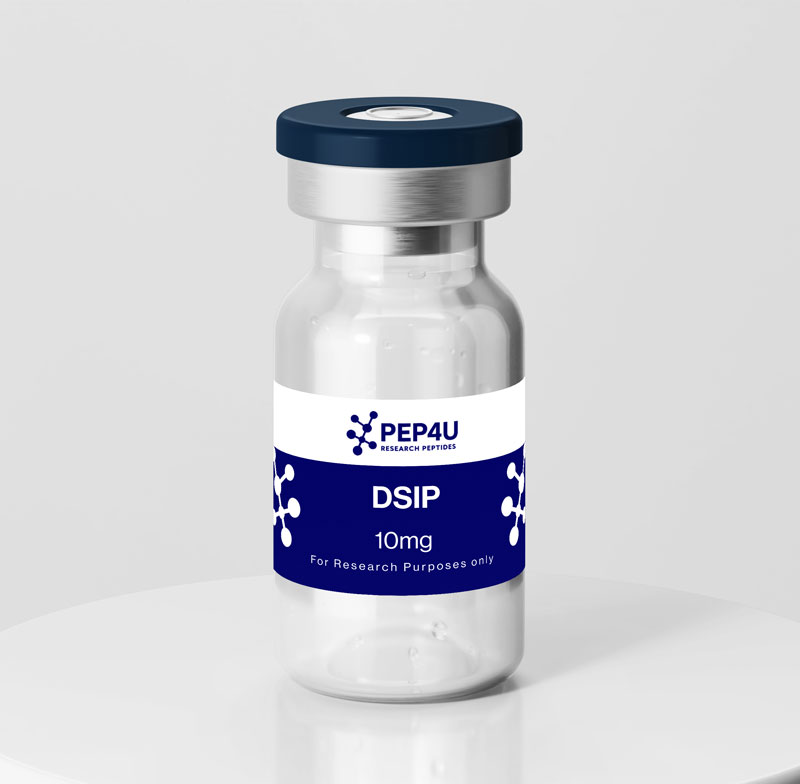
DSIP (Delta Sleep-Inducing Peptide) is a naturally occurring neuropeptide first identified in the 1970s. It has been studied for its potential effects on sleep regulation, stress response, and recovery. While its exact mechanisms are still being explored, DSIP interacts with the central nervous system and various hormonal pathways.
Key Features:
- Sleep regulation: Initially studied for its ability to promote deeper, restorative sleep stages.
- Stress modulation: May help balance stress-related hormones, including cortisol.
- Neuroprotective effects: Early research suggests potential roles in protecting the brain from oxidative stress and supporting recovery from fatigue.
- Endocrine influence: May affect secretion of hormones such as luteinizing hormone (LH) and growth hormone (GH) in certain contexts.
Areas of Interest (research/clinical settings):
- Supporting healthy sleep cycles.
- Managing stress and fatigue.
- Potential role in recovery and resilience.


