
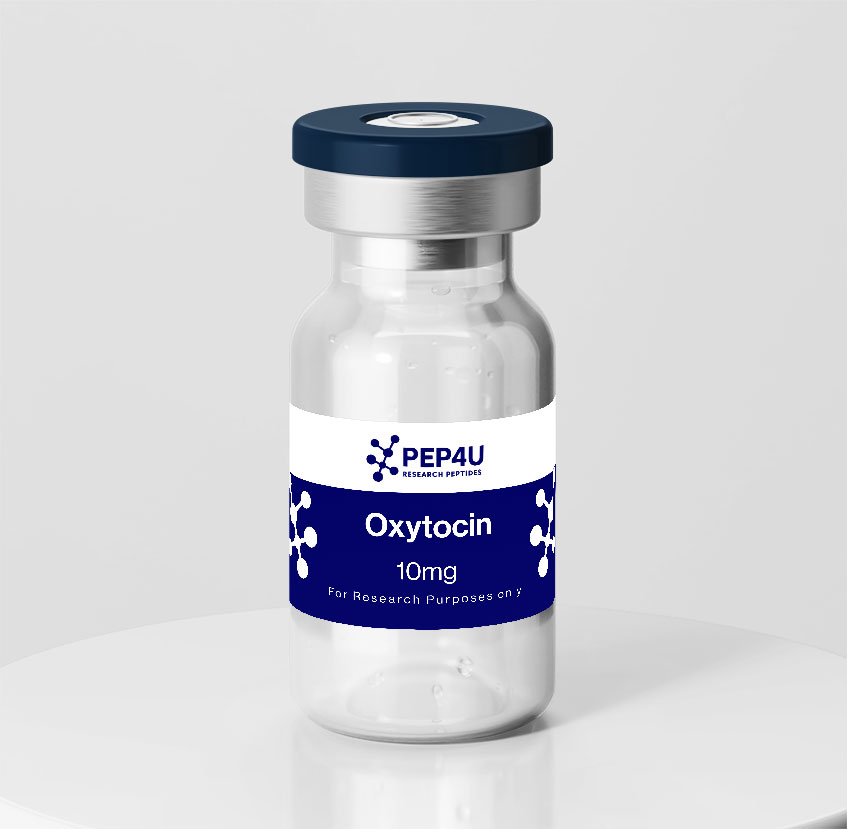
Oxytocin is a naturally occurring hormone and neuropeptide produced in the hypothalamus and released by the pituitary gland. It plays key roles in bonding, social behavior, reproduction, and emotional regulation.
It is sometimes referred to as the “bonding hormone,” “love hormone,” or “cuddle hormone”, but its functions go far beyond that.
What Oxytocin Does (Primary Functions)
-
Social Bonding & Emotional Connection
- Strengthens emotional attachment between:
- Partners
- Parents and children
- Close social relationships
- Enhances feelings of trust and empathy.
-
Stress Regulation
- Lowers cortisol levels (the body’s main stress hormone).
- Helps promote relaxation and reduce anxiety.
-
Mood Support
- Plays a role in emotional stability.
- Supports feelings of contentment and well-being.
-
Reproductive Functions
- Stimulates uterine contractions during labor.
- Promotes milk ejection during breastfeeding.
- Is involved in sexual arousal and climax.
-
Cognitive Effects
Research suggests oxytocin may:
- Improve social recognition
- Enhance emotional learning
- Support attention in social contexts


